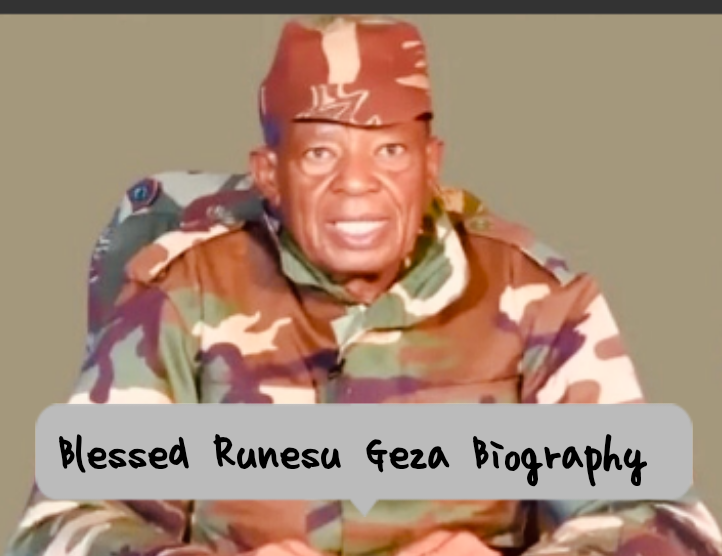
Blessed Runesu Geza was a key figure in Zimbabwe’s history. He was a war veteran who fought for the country’s independence. Later, he became a vocal critic of the government. People knew him as “Cde Bombshell” because of his strong and surprising statements. Geza lived from 1943 to February 6, 2026. He died at age 82 or 83 in South Africa. His life story shows the struggles of Zimbabwe from colonial times to today. He started as a fighter against white rule in Rhodesia. After independence in 1980, he joined the ruling party, ZANU-PF. But in his later years, he spoke out against leaders he saw as corrupt. This led to his expulsion from the party and his move to exile.
Geza’s story matters because it highlights issues like corruption, free speech, and the role of war veterans in politics. War veterans are people who fought in the liberation war, also called the Second Chimurenga. This war happened in the 1960s and 1970s. It aimed to end colonial rule and bring black majority rule. Geza was part of ZANU, the Zimbabwe African National Union, and its military wing, ZANLA. ZANLA stood for Zimbabwe African National Liberation Army. These groups trained fighters and carried out attacks against the Rhodesian government.
In recent years, Geza became famous for his videos and speeches. He accused President Emmerson Mnangagwa of bad leadership. Mnangagwa took power in 2017 after a coup that removed Robert Mugabe. Geza helped plan that change, but he later regretted it. He said the new leaders failed to keep promises from the liberation struggle. Ideas like “Gutsaruzhinji,” which means prosperity for the masses, and “Nziradzemasoja,” the bond between people and fighters, were important to him. But he felt they were forgotten.
Geza’s nickname “Bombshell” came from his habit of dropping shocking truths. For example, in February 2025, he held a press conference in Harare. There, he called for Mnangagwa’s resignation. He said the president was guilty of grand corruption and poor management. This made him a hero to some and a threat to others. Young people admired his bravery. Even opposition leaders like Nelson Chamisa paid tribute to him after his death.
His life teaches lessons about standing up for justice. Even at an old age, Geza kept fighting for a better Zimbabwe. He urged people not to fear and to protect their constitution. His final message, written before he died, called on Zimbabweans to continue the struggle. This introduction sets the stage for understanding his full journey. We will look at his early years, his work, his family, his passing, and what he left behind.
Blessed Runesu Geza Early Life and Background
Blessed Runesu Geza was born in 1943 in Southern Rhodesia. Southern Rhodesia was the name for what is now Zimbabwe under British colonial rule. Life was hard for black people then. They faced discrimination and had few rights. Whites controlled the land, jobs, and government. This unfair system pushed many young Africans to join the fight for freedom.
Geza grew up in a time of growing nationalism. Nationalism means pride in one’s country and a desire for self-rule. As a boy, he saw how colonial laws limited black families. Many lost their farms to white settlers. Education was also unequal. But Geza got a chance to study. In February 1969, he was at St. Ignatius High School. This school was run by Catholic missionaries. It taught many future leaders. There, Geza learned skills and ideas that shaped him.
His family background is not widely known in detail. But like many in Rhodesia, they likely worked on farms or in towns under tough conditions. Geza’s full name, Blessed Runesu Geza, shows a mix of English and Shona influences. Shona is a main language in Zimbabwe. “Runesu” might relate to peace or messages in Shona culture.
By the late 1960s, the liberation movement was strong. Groups like ZANU formed in 1963. They wanted to end white minority rule. Geza joined this cause in his youth. He left school and home to train as a fighter. He went to places like Romania for military training. Romania was a communist country that supported African liberation groups. There, he learned guerrilla warfare tactics.
Guerrilla warfare means small groups fighting a bigger army with surprise attacks. This was key in the Second Chimurenga. The war started in earnest in the 1970s. Geza became part of ZANLA. He risked his life in the bush, facing bombs and battles. His early experiences built his strong will. He believed in equality and land for all. These ideas stayed with him his whole life.
After the war, Zimbabwe gained independence on April 18, 1980. Geza returned as a hero. But the country faced new challenges like rebuilding the economy. His background as a fighter made him respect discipline and unity. Yet, he later saw how some leaders forgot these values. Understanding his early life helps explain why he spoke out later. It was rooted in the same fight for justice that started in his youth.
Blessed Runesu Geza Career
Blessed Runesu Geza had a long career tied to Zimbabwe’s politics and military history. He started as a liberation fighter and rose in the ruling party. Later, he became a critic and activist. His path shows the changes in Zimbabwe over decades.
In the 1970s, Geza joined the liberation struggle. He was part of ZANU and ZANLA. As a guerrilla fighter, he trained abroad and fought in the bush. The goal was to end colonial rule. After independence in 1980, he became a war veteran advocate. War veterans pushed for land, pensions, and recognition. Geza worked in party structures.
He joined ZANU-PF, the party that won the first elections. ZANU-PF stands for Zimbabwe African National Union-Patriotic Front. It ruled under Robert Mugabe from 1980 to 2017. Geza rose to the Central Committee. This is a top decision-making body in the party. He handled intelligence and strategy. His skills from the war helped him.
In the 2000s, Geza stayed loyal but saw problems. Corruption grew, and the economy struggled. He spoke for veterans’ rights. By 2017, he played a key role in removing Mugabe. Geza helped draft plans for the transition. This led to Emmerson Mnangagwa becoming president. Mnangagwa was vice president then. The change was called Operation Restore Legacy. It was a military-backed move on November 15, 2017.
At first, Geza supported the new leader. He hoped for reforms. But by 2025, he turned against Mnangagwa. In February 2025, Geza led a group of veterans at a press conference in Harare. They accused the president of corruption and bad governance. They demanded his resignation. Geza used social media to share videos. He called Mnangagwa “Zvigananda,” a term for corrupt figures.
In April 2025, Geza released a video. He claimed Mnangagwa had vascular dementia, a brain condition. He said it caused poor thinking and called for impeachment. Impeachment means removing a leader through legal steps. Geza opposed plans to extend Mnangagwa’s term to 2030. The constitution limits presidents to two terms. Mnangagwa’s second term ends in 2028.
His actions led to trouble. In March 2025, ZANU-PF expelled Geza and allies like Gifford Gomwe. They said he was disloyal. Geza faced charges of incitement and terrorism. Incitement means urging people to break laws. He feared arrest and fled to South Africa.
In exile, Geza kept speaking out. He called for protests and national shutdowns. A shutdown means people stay home to protest. He rallied the diaspora, Zimbabweans abroad. He also mentioned past secrets, like the 2008 election. He said leaders denied Morgan Tsvangirai’s win. Tsvangirai was an opposition leader who died in 2018.
Geza talked about human rights abuses. He mentioned Itai Dzamara, an activist who disappeared in 2015. Geza hinted he knew facts but regretted not sharing sooner. His activism inspired youth. People saw him as a true patriot. Even at 82, he used X (formerly Twitter) and videos to reach people.
His career shifted from fighter to party man to critic. It reflects Zimbabwe’s issues: from freedom fight to governance problems. Corruption, poverty, and rights abuses continue. Geza’s work added to calls for change. He linked back to liberation ideals like land reform and equality. But he saw how elites took power for themselves.
In his last months, Geza battled health issues but stayed active. His career teaches about courage. He risked everything to speak truth. War veterans like him remind people of the original struggle. Yet, many feel let down by current leaders. Geza’s story encourages accountability. It shows one person can challenge a system, even late in life.
Blessed Runesu Geza Personal Life
Blessed Runesu Geza kept much of his personal life private. He focused on public work. But some details show a family man amid his activism.
Geza married Roseline Ndaizivei Tawengwa. They shared a life through tough times. As a war veteran, he faced dangers. His wife likely supported him during the liberation struggle and after. In Zimbabwe, families of fighters often waited in camps or villages.
Little is known about children or other relatives. Geza lived simply, devoted to his cause. In exile, he stayed in South Africa, away from family. This shows the cost of his choices.
His personal values came from the struggle. He believed in unity and justice. Friends called him respectful and non-tribal. He spoke languages like Korekore, a Shona dialect. This helped him connect with people.
Geza’s health declined in his last year. He fought cancer secretly. Even sick, he thought of Zimbabwe. His personal life blended with his public fight. He left a legacy of bravery for his family and nation.
Blessed Runesu Geza Death
Blessed Runesu Geza died on February 6, 2026. He was in a Johannesburg hospital in South Africa. The cause was cancer. He had battled it in secret for some time. The hospital focused on heart issues, but cancer led to his passing.
His family announced the news that day. They said, “It is with profound sadness that we announce the passing of our hero Cde Blessed Runesu Geza.” They called him Cde Bombshell. Funeral plans would come later. They warned against fake fundraisers in his name.
Geza was in exile when he died. He had fled Zimbabwe to avoid arrest. In South Africa, he got treatment. Hours before death, he wrote a final letter. It urged Zimbabweans to fight corruption and fear. He said he would “fight from the grave.”
Tributes came quickly. Opposition leader Nelson Chamisa called him a flame that won’t fade. War veterans mourned him as a true fighter. Debates started on if he should be a national hero. National heroes are buried at Heroes Acre in Harare.
His death marked the end of a bold voice. It happened one day before February 7, 2026, the current date in this context.
Conclusion
Blessed Runesu Geza’s life was a story of fight and principle. From a young fighter in the bush to an old critic in exile, he never stopped seeking justice. His legacy inspires Zimbabweans to question power and demand better.
He showed that true patriotism means speaking truth, even to friends. Geza linked the liberation war to today’s struggles. He reminded people of forgotten promises like equality and prosperity for all. His expulsion and exile highlight risks of dissent in Zimbabwe.
Yet, his message lives on. In his final letter, he called for unity against corruption. Young people can learn from his courage. As Zimbabwe faces economic woes and rights issues, Geza’s example pushes for change.
He may not get official hero status, but to many, he is one. His impact on politics and activism endures. Rest in peace, Cde Bombshell. Your fight continues through those you inspired.
FAQs
Who is Blessed Runesu Geza?
Blessed Runesu Geza was a Zimbabwean war veteran and political activist. Born in 1943, he fought in the liberation war. He later joined ZANU-PF but was expelled in 2025 for criticizing leaders. Known as Cde Bombshell, he died on February 6, 2026.
How did Blessed Geza get the nickname ‘Bombshell’?
The nickname came from his habit of making shocking statements. His bold critiques of government, like calling for impeachment, were like bombshells in politics.
What was Blessed Geza’s role in the liberation war?
He was a guerrilla fighter with ZANLA, part of ZANU. He trained in Romania and fought against colonial rule in the 1970s, helping achieve independence in 1980.
Why did Blessed Geza criticize Emmerson Mnangagwa?
He accused Mnangagwa of corruption, poor governance, and trying to extend his term beyond 2028. Geza said this broke liberation promises and called for resignation in 2025.
What led to his expulsion from ZANU-PF?
In March 2025, the party expelled him for disloyalty. His public attacks on Mnangagwa, including claims of dementia, led to this.
Why did Blessed Geza flee to South Africa?
He faced charges of incitement and terrorism. Fearing arrest, he sought safety in South Africa as a political refugee.
What was in his final letter?
Written before death, it urged Zimbabweans to fight fear and corruption. He regretted secrets, like on Itai Dzamara, and vowed to fight from the grave.
How did Blessed Geza die?
He died of cancer on February 6, 2026, in a Johannesburg hospital. He had a secret battle with the illness.
Will he be declared a national hero?
Debates continue. Some push for it due to his war role, but his criticism of the government may prevent it. No decision as of February 7, 2026.
How has his death affected Zimbabwean politics?
It sparked tributes and calls for change. Opposition figures praised him, and it highlights free speech issues. His legacy may inspire more activism.